How often should you actually wash your gym clothes?
By Nick TownsendRevised 6 min read
The short answer
Every wear
Never leave them damp in the bag
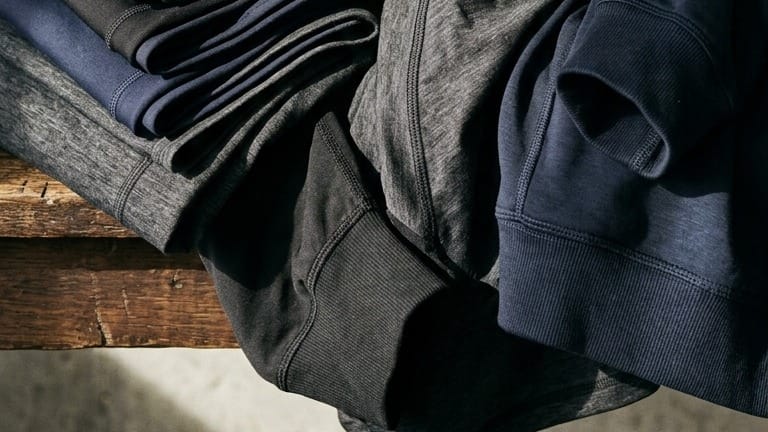
The top was clean when you put it on. Ten minutes into the run, it was not. That is not you, and it is not your washing machine. It is the fabric, and a lab in Canada has spent years proving it.
You know the top. It came out of the wash smelling of nothing. It sat in a drawer for three days smelling of nothing. Then you got warm in it, and the smell was back.
Most people decide that is on them. It is not. It is a known thing, it has been measured, and once you see how it works, the advice about gym clothes stops sounding fussy and starts making sense.
The smell lives in oil
Sweat is mostly water, and water does not smell. The smell comes from a small oily part of it, and what happens next depends on what your top is made of.
Cotton likes water. It soaks up the wet part of sweat and takes less of the oil. Polyester likes oil. It pushes water away, which is why it dries so fast, and it takes up the oil instead. Then it keeps it.
Rachel McQueen's team at the University of Alberta has been testing this for years, and the result keeps coming out the same way: polyester and nylon take in more of the smelly part of sweat than cotton does, and give more of it back out.
Nearly all gym clothes are polyester or nylon. That is the whole story. Everything else follows from it.
Why airing it does nothing
Hang a cotton tee on the back of a door overnight and it is fine in the morning. Everyone has done it. So people try the same with a running top, and it does not work, and nobody tells them why.
The reason is where the smell is. On cotton it sits near the surface, where air can get at it. On polyester it is in the oil, held inside the fibre, where air cannot reach. The top is not dirtier than the tee. The smell is just somewhere air cannot go.
The wash never gets it all
This is the part worth knowing, because it explains the top at the start of this piece.
In 2020 the same team washed fabrics over and over, soiling them and cleaning them ten times, and measured what was left after each wash. Washing took the smell out of cotton far better than out of polyester. On the polyester, a little stayed behind every time, and it built up.
The smell was never gone. It was under the detergent, waiting for you to warm up.
That is your clean top at minute ten. The wash took the smell down to where you could not notice it. Your body heat brought it back.
There is a limit, and it would be unfair to leave it out. The build-up rose over the first five washes and then levelled off. A top does not get worse for ever until you have to bin it. It reaches a level and stays there, which is about what anyone with an old favourite would tell you.
So, every wear
Because it adds up. If the wash never gets all of it, and the fabric keeps what is left, then wearing a top twice before washing starts the next wash further behind. You are adding to a pile that never fully clears.
That is the real reason to wash gym clothes after every use. It is not that they are dirty in some scary way. It is that the fabric keeps what you leave in it. The Gym clothes row on our schedule is one of the least argued-about things on it.
The bag is the real problem
Now the part that matters more than the wash.
Gym clothes left damp in the bag by the door are not waiting to be washed. They are spending hours warm, wet and in the dark, with the oil already in them. That is the exact set of conditions everything you do not want is looking for.
The skin doctors are boring about this, and boring is a good sign. The American Academy of Dermatology's advice for the gym is to wear loose clothes that move sweat away, shower as soon as you can, and wash gym clothes after wearing them, because the germs behind skin infections like warm, damp places. On folliculitis, the spotty rash that a lot of people think is just acne, it says that changing out of tight workout clothes straight away and showering may stop a flare-up.
Notice what none of that is about. It is not the wash. All of it happens in the twenty minutes after you stop, before any machine is involved, which is the pattern this whole guide keeps finding. If you remember one thing from this page, make it the bag: open it, get everything out, and lay it flat, even if the wash is tomorrow.
Washing it so it works
The smell is an oil, so a cold wash is working against you. Oil moves with a bit of warmth and stays put without it. A cool wash rather than a cold one does more here than it would on a load of cotton.
How warm is not up to us. The stretch in your leggings comes from elastane, and elastane hates heat. The tub on the label tells you how far you can go. Go to that number, not under it, which for most gym clothes is the opposite of what people do.
Wash at 30°C
Machine wash at 30°C or cooler.
Almost all gym clothes carry this one. It is the most the fabric can take, not a suggestion, and the common mistake is washing well below it and wondering why the smell survived.
See it in the decoderThen use less detergent, not more. The instinct with a smell is to add another capful. But extra detergent does not rinse cleanly out of polyester. It stays behind, and it is one more oily thing on the fabric for the next wear to add to.
The same logic rules out fabric softener, and most activewear labels say so themselves. Softener works by leaving a thin coat on the fibre. On polyester that coat seals the oil in and blocks the wicking you paid for. If a top has stopped moving sweat away from you the way it used to, that is the first thing to suspect.
Wash it inside out, because the side that touched your skin is the side that needs the water. Then hang it to dry. It will be dry in an hour or two anyway, and the tumble dryer is the quickest way to ruin the stretch.
Unless it is cotton
All of this is about polyester and nylon, because that is what nearly all gym clothes are. A cotton gym tee is a different thing. It behaves like a tee: airing it does something, the wash gets the smell out, and nothing much builds up in between.
If yours are cotton, you are on the other side of every finding on this page. The label will tell you which side you are on. The internet will not.
Sources
- University of AlbertaNew research offers fresh insights on why some clothes get smellier
- Clothing and Textiles Research JournalSynthetic clothing and the problem with odor. Abdul-Bari, McQueen et al., 2018
- Textile Research JournalRetention and release of odorants in cotton and polyester fabrics following multiple soil/wash procedures. Abdul-Bari, McQueen, de la Mata, Batcheller, Harynuk, 2020
- American Academy of DermatologyHow to prevent common skin infections at the gym
- American Academy of DermatologyAcne-like breakouts could be folliculitis
Source: The Wash Guide
https://thewashguide.app/journal/how-often-to-wash-gym-clothes